Trust Has a Paper Trail: Designing for Trust, Transparency, and Efficiency in Scientific Computing
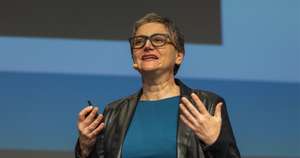
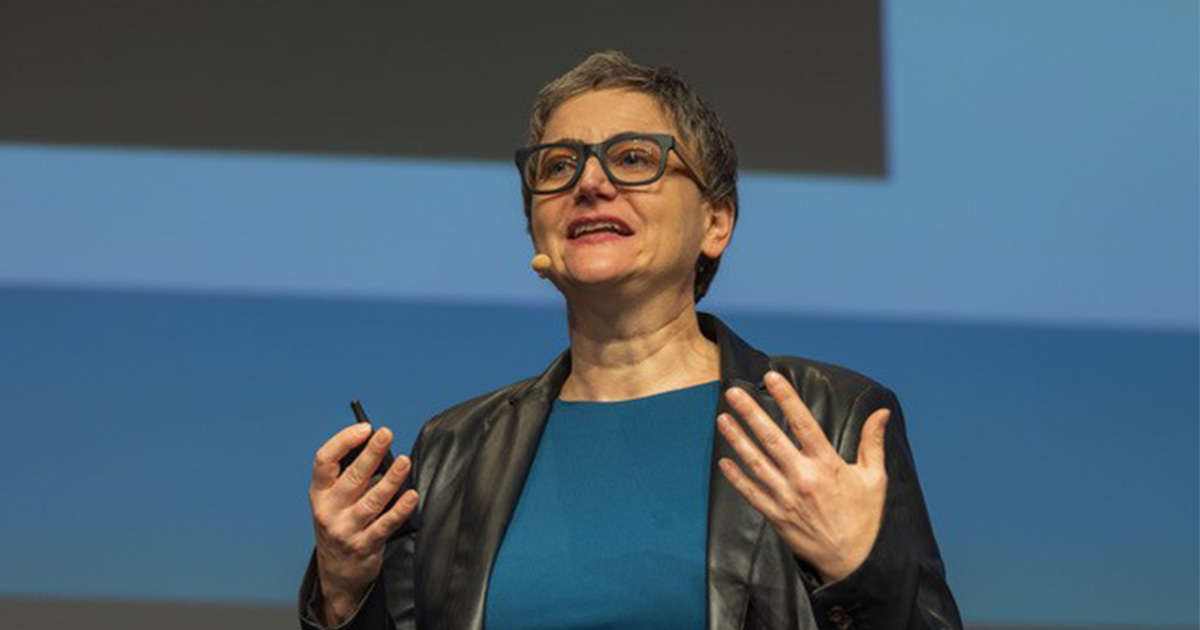
Prof. Michela Taufer, University of Tennessee, Knoxville
Wednesday, 2nd of December 2026, 3:00-3:40 pm UTC (30 min talk + 10 min questions). 7 am PST / 9 am CST / 10 am EST / 3 pm UTC / 4 pm CET / 12 am JST (Dec. 3rd)
Participation is free, but registration is required through SIAM webinars
Supercomputing Spotlights is a webinar series featuring short presentations that highlight the impact and successes of high-performance computing (HPC) throughout our world. Presentations, emphasizing achievements and opportunities in HPC, are intended for the broad international community, especially students and newcomers to the field. Supercomputing Spotlights is an outreach initiative of SIAG/Supercomputing at siag-sc.org … Join us!
Abstract:
Scientific computing is entering a regime where nondeterminism, opaque AI decisions, and energy costs are no longer edge cases— they define everyday practice at scale. In this webinar, I will present practical methods that make modern scientific workflows more trustworthy, transparent, and efficient. I will demonstrate how graph-based analysis can pinpoint the sources of nondeterminism in large HPC simulations; how fine-grained provenance can make AI-driven workflows auditable and easier to explain; and how predictive engines can avoid redundant computation in neural architecture search, cutting both runtime and energy. I will conclude with a broader vision: scientific ecosystems that intentionally couple data, experiments, and computation— so results are not only faster, but also reproducible, explainable, and ready for reliable reuse.
Bio:
Michela Taufer, an AAAS Fellow and ACM Distinguished Scientist, is the MathWorks Professor at the University of Tennessee, Knoxville. She earned her Laurea in Computer Engineering from the University of Padova, Italy, and her doctoral degree in Computer Science from the Swiss Federal Institute of Technology in Zurich. Her postdoctoral work at the University of California, San Diego, and The Scripps Research Institute bridged computer systems and computational chemistry, underscoring her lifelong commitment to interdisciplinary research.
Throughout her career, Taufer has passionately combined computational and experimental sciences. Her cyberinfrastructure solutions leverage high-performance, cloud, and volunteer computing to advance scientific applications. An advocate for scientific rigor, she promotes reproducibility, replicability, and transparency across her projects. Taufer has held leadership roles in the HPC community, including serving as editor-in-chief of Future Generation Computer Systems and as a member of the Computing Community Consortium (CCC).